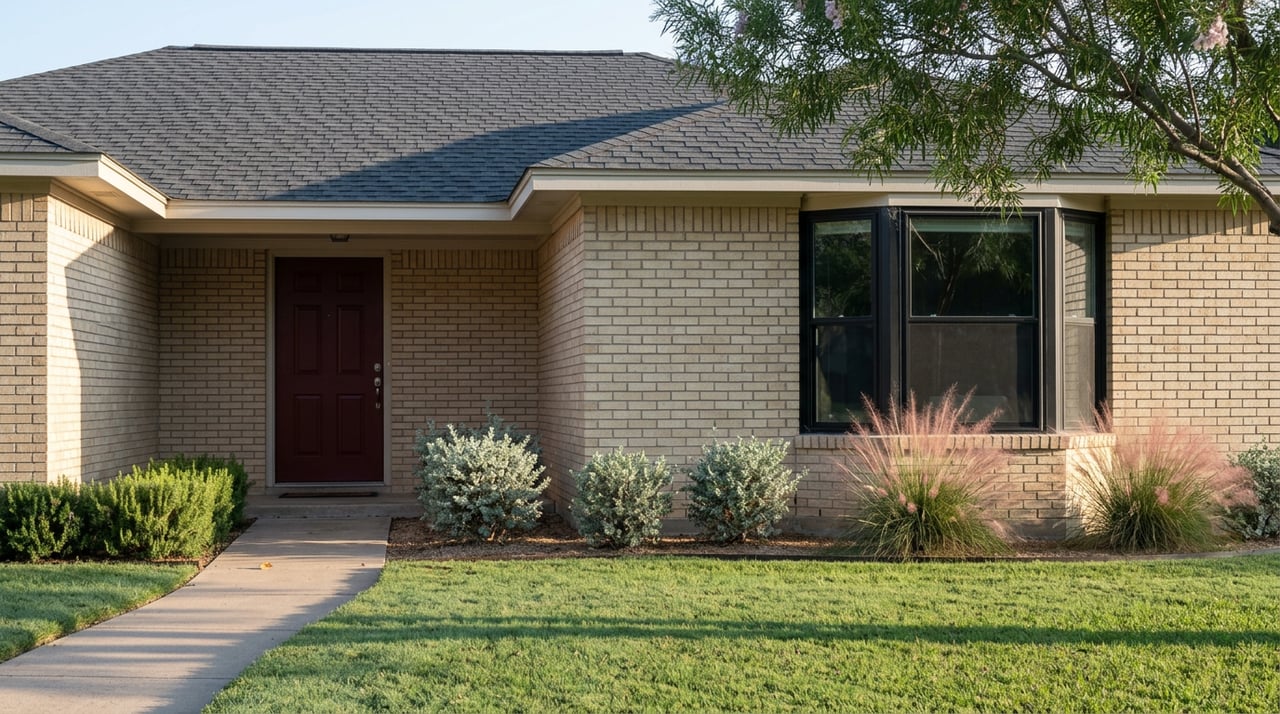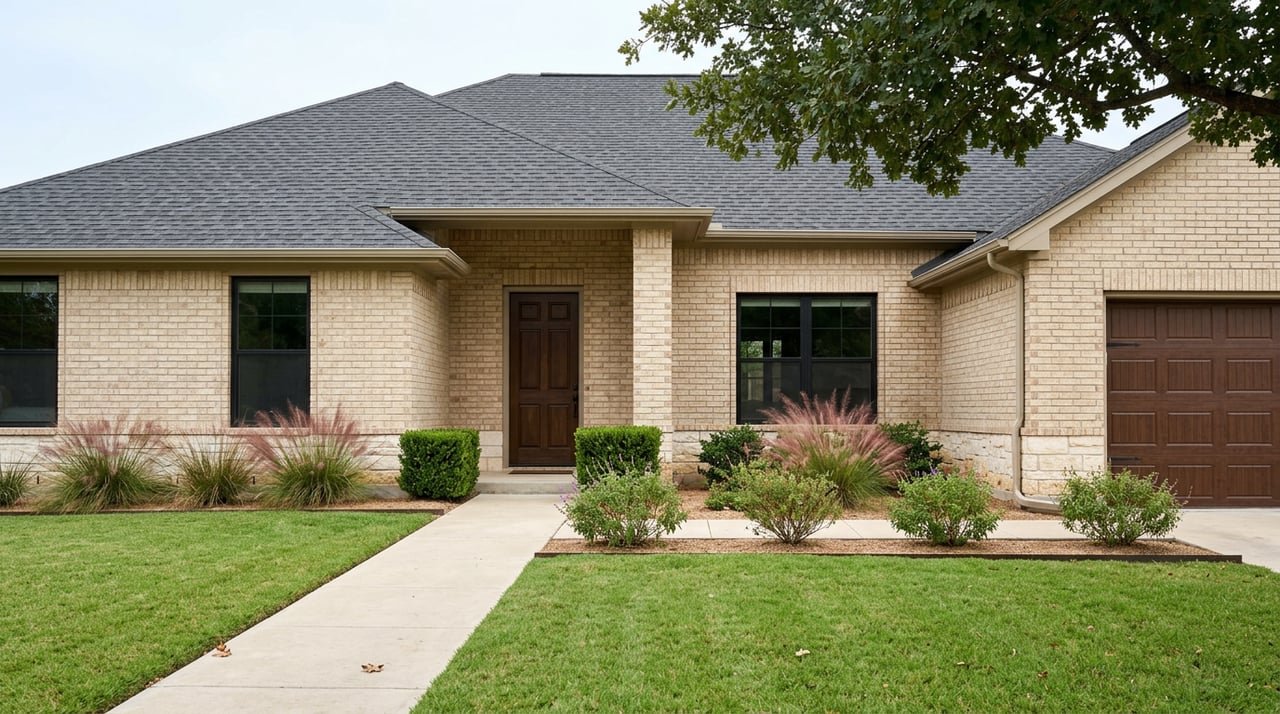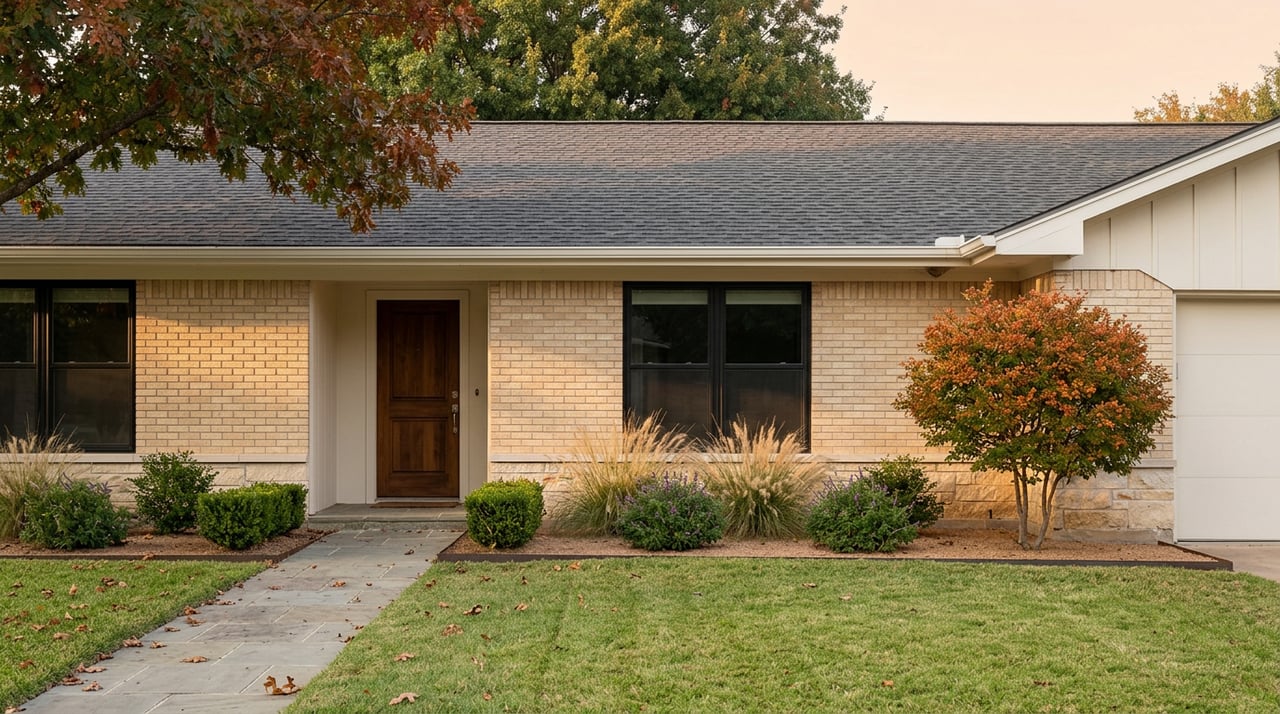
Trying to decide between a newer home and an older home in Lubbock can feel harder than it should. You may love the idea of modern finishes and lower maintenance, but you may also want an established area, a bigger lot, or more room to personalize. The good news is that there is no one-size-fits-all answer. If you understand how each option fits your budget, repair tolerance, and location goals, you can make a much more confident move. Let’s dive in.
Why this choice matters in Lubbock
Lubbock gives you a real mix of housing options. As of spring 2026, the local median home price sits around the mid-$230,000s to mid-$240,000s, depending on the source and month. The local market also shows a wide range of homes, from newer builds in growth corridors to older resale homes in long-established areas.
That variety is important because “older” and “newer” do not point to just one price point. In March 2026, 34.8% of closed sales fell in the $200,000 to $299,000 range, and 28.4% fell in the $100,000 to $199,000 range. That means your best fit may come down less to age alone and more to what you want your monthly costs and maintenance needs to look like.
What newer homes often offer
In Lubbock, newer homes tend to cluster in west, southwest, and southeast growth areas. Current builder communities show a pattern of open layouts, standardized finish packages, and newer systems that may help reduce near-term repair concerns. Many also highlight features like luxury vinyl plank flooring, granite or quartz options, stainless appliances, front-yard landscaping, sprinkler systems, and smart-home features.
You can see this range in current communities across the city. Cypress Ranch in west Lubbock starts at $147,000, Viridian in southeast Lubbock starts at $197,950, Everest Heights in 79424 starts in the low $230,000s, and Westmont in southwest Lubbock starts at $288,950. Floor plans vary, but many communities offer options that appeal to buyers looking for a more move-in-ready setup.
Another advantage is warranty coverage. For example, Cypress Ranch materials advertise a two-year comprehensive warranty. If you want more predictability after closing, that kind of coverage can be a meaningful benefit.
Common benefits of newer homes
- More modern floor plans with open living areas
- Newer HVAC, roof, water heater, and appliances
- Less immediate repair work in many cases
- Builder warranty coverage in some communities
- More consistent finishes and materials
Tradeoffs to keep in mind
- Less room for negotiation on upgrades or pricing in some cases
- Smaller lots in some developments compared with older areas
- Fewer mature trees or established landscaping in newer sections
- Higher upfront cost if you want premium finishes or larger plans
What older homes often offer
Older homes in Lubbock can look very different from one area to the next. Established neighborhoods show a broad price spread, with Heart of Lubbock around $150,000, Wheelock and Monterey around $146,500, Maxey Park around $172,450, Coronado around $269,950, and Melonie Park around $350,000 in May 2026 data. That range tells you older homes are not just one category.
Some older homes are entry-level resale properties. Others are larger homes with significant updates and higher price tags. In areas like Tech Terrace U.N.I.T., current listings range from compact 2-bedroom homes around 936 square feet to much larger homes above 2,200 square feet, often on lots around 7,000 to 9,000 square feet.
That flexibility is a big part of the appeal. If you want a central location, more established surroundings, or the chance to update a home over time, older homes may give you more paths to work with.
Common benefits of older homes
- Wider variety of price points and home styles
- More established neighborhood settings
- Larger lots in some areas
- Potential to renovate and build equity over time
- More location flexibility across Lubbock
Tradeoffs to keep in mind
- Higher chance of near-term repairs or system updates
- Less energy efficiency in some homes
- Cosmetic updates may hide bigger issues
- Renovation costs can add up quickly
Compare monthly cost, not just price
A lower list price does not always mean a lower cost of ownership. An older home may cost less upfront but need insulation upgrades, air sealing, or major system replacements later. The Department of Energy notes that many older homes have less insulation than newer homes, and improving insulation and air sealing can help lower heating and cooling costs.
A newer home may cost more at purchase, but you may spend less in the first few years on repairs or updates. That can matter if you want to preserve cash after closing. In Lubbock, where the market includes many homes in the $200,000 to $299,000 range, comparing your likely monthly costs can be more useful than focusing only on the sticker price.
Think about weather and durability
Lubbock weather is part of the decision. The National Weather Service notes that severe thunderstorms in the area can bring large hail and damaging winds. That affects both new and old homes, but older homes may need more careful review if the roof, windows, or exterior materials have already seen years of wear.
This is one reason inspections matter so much. A home with nice updates can still have older systems behind the walls or above the ceiling. If you are comparing two homes at similar price points, the better value may be the one with fewer major repair risks, not the one with the prettier finishes.
When an inspection matters most
An independent home inspection is a smart step for any purchase, but it is especially helpful when you are weighing newer versus older homes. It helps you tell the difference between a home that is truly well-maintained and one that simply photographs well. It also gives you a clearer picture of what needs attention now and what may wait.
For older homes, pay close attention to the roof, HVAC, water heater, windows, plumbing, electrical panel, and foundation. These items can affect both your immediate budget and your long-term ownership costs. If you are buying a newer home, review what is covered by the builder warranty and ask what items, if any, will still be completed after closing.
Key questions to ask before you buy
- How old are the roof, HVAC system, and water heater?
- Have the windows, plumbing, or electrical panel been updated?
- What did the inspection identify as urgent versus routine?
- If it is new construction, what does the warranty cover?
- How much cash do you want to keep available for repairs or upgrades?
Pre-1978 homes need extra care
If you are considering an older Lubbock home built before 1978, lead-based paint is an important factor. EPA guidance says the older the home, the more likely it contains lead-based paint. That does not mean you should avoid the home, but it does mean any renovation or repair work should follow lead-safe rules.
This matters most if you plan to repaint, remove walls, replace windows, or do other projects that disturb painted surfaces. If a pre-1978 home fits your location and budget goals, make sure you also plan for safe testing or renovation practices.
How to choose the right fit for you
The best choice usually comes down to three things: your monthly budget, your repair tolerance, and your preferred part of town. If you want a more predictable ownership experience, a newer home may line up better with your goals. If you care more about established locations, larger lots, or renovation upside, an older home may be the better fit.
It also helps to be honest about your time and energy. Some buyers enjoy the idea of updating an older property over several years. Others would rather move in and focus on daily life without a list of projects waiting in the background.
A simple way to decide
Use this quick framework when you compare homes:
- Choose newer if you want lower maintenance, modern finishes, and warranty-backed systems.
- Choose older if you want more location options, possible lot-size advantages, or room to customize.
- Choose based on ownership cost, not just purchase price.
- Choose based on inspection results, not surface appeal.
Why local guidance helps
In Lubbock, this decision is rarely just about old versus new. It is about how a specific home fits your goals in a specific part of the market. A newer home in a growth corridor and an older resale in an established area can both be smart choices if the numbers, condition, and location work for you.
That is where local insight makes a difference. When you understand neighborhood pricing, builder patterns, and common resale tradeoffs, it becomes much easier to narrow your search and avoid expensive surprises.
If you want help comparing newer builds and older resale options across Lubbock, Dane Hensley can help you weigh the real tradeoffs and find the home that fits your budget and goals.
FAQs
What is the main difference between newer and older homes in Lubbock?
- Newer homes in Lubbock often offer modern layouts, newer systems, and possible warranty coverage, while older homes often offer more established locations, wider price variety, and more renovation potential.
Are newer homes in Lubbock always more expensive?
- Not always. Current Lubbock new-home communities start at different price points, including Cypress Ranch at $147,000 and Viridian at $197,950, while older-home prices also vary widely by area and condition.
What should you inspect first in an older Lubbock home?
- Focus on the roof, HVAC, water heater, windows, plumbing, electrical panel, and foundation, since those items can have the biggest effect on repair costs.
Do older homes in Lubbock cost more to maintain?
- They can. Older homes may have less insulation and older systems, which can increase upkeep and utility costs depending on the home’s condition and past updates.
Are builder warranties common with newer Lubbock homes?
- Some newer homes offer builder warranties. For example, Cypress Ranch materials advertise a two-year comprehensive warranty, but coverage can vary by builder and community.
Should you avoid pre-1978 homes in Lubbock?
- No, but you should be careful. Pre-1978 homes are more likely to contain lead-based paint, so planned repairs or renovations should follow lead-safe practices.