If you want more space, a quieter daily pace, and an easy route into Lubbock, New Deal may already be on your shortlist. For many buyers, the challenge is figuring out whether a small town will actually fit real life, not just look appealing on a map. This guide will help you understand what day-to-day living in New Deal can look like, from housing options to community rhythm, so you can decide if it feels like the right place to put down roots. Let’s dive in.
New Deal at a glance
New Deal is a small incorporated town in northern Lubbock County, located along Interstate 27, Farm Road 1729, and the Santa Fe Railroad. It sits about 11 miles north of Lubbock, which helps explain why many people see it as a small-town option with close access to a larger city.
It is also a very small community by size. The Texas State Historical Association reports a population of 730 in 2020 and 729 in 2021, which gives you a sense of how compact and close-knit the town remains.
New Deal began in 1909 as a railroad town, was renamed in 1949 when the post office was established, and incorporated in 1970. That history still shapes the town’s feel today, with a rural edge and a strong connection to agriculture and local tradition.
Why buyers look at New Deal
For many buyers, New Deal offers a balance that can be hard to find. You get a quieter setting and more open space, while still staying connected to Lubbock for work, shopping, and everyday errands.
That setup can appeal to several types of buyers, including people relocating to the area, households looking for more room, and buyers who want land or large lots. If your goal is to slow the pace a bit without feeling isolated, New Deal may check an important box.
Housing in New Deal
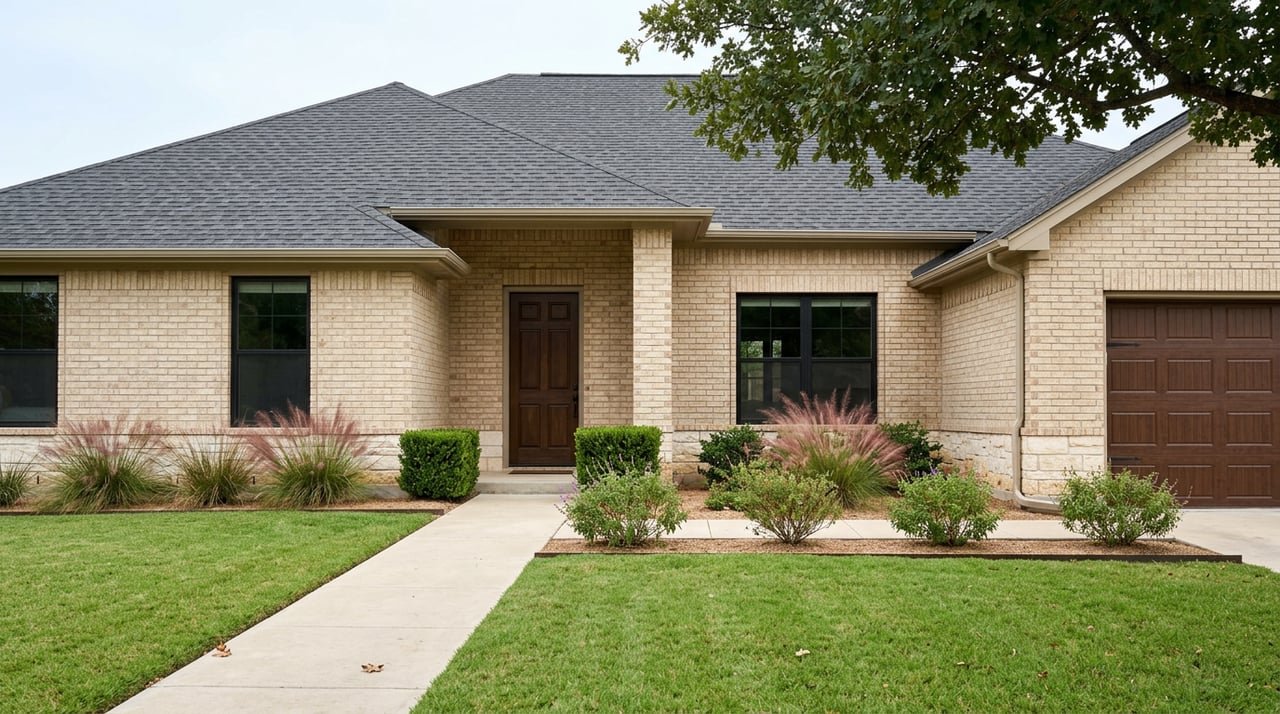
New Deal’s housing patterns suggest a market centered on detached homes, land, and edge-of-town acreage. Current for-sale inventory reviewed through major listing platforms showed a limited number of homes on the market, along with search interest tied to land, 3-bedroom homes, and large-lot properties.
That matters because it gives you a more realistic picture of what you are likely to find here. This is not a market defined by dense apartment communities or rows of townhomes. It is better understood as a mix of older in-town homes and properties with more room to spread out.
In-town homes
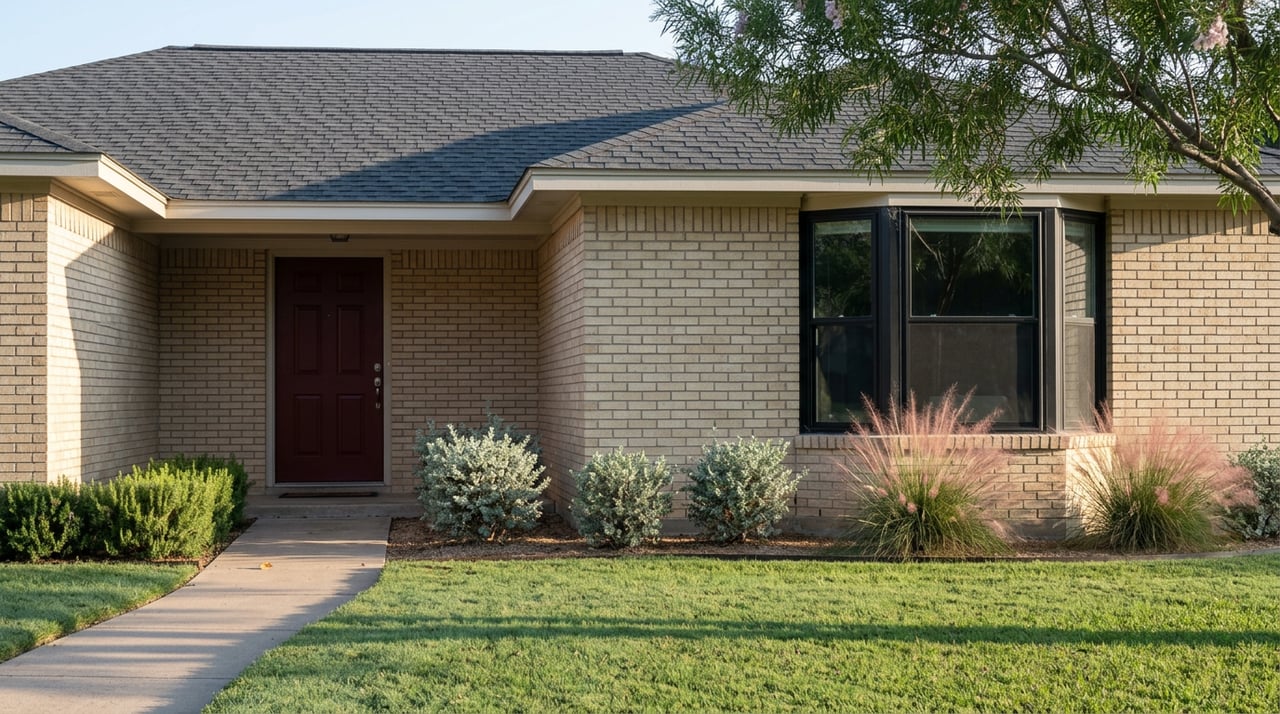
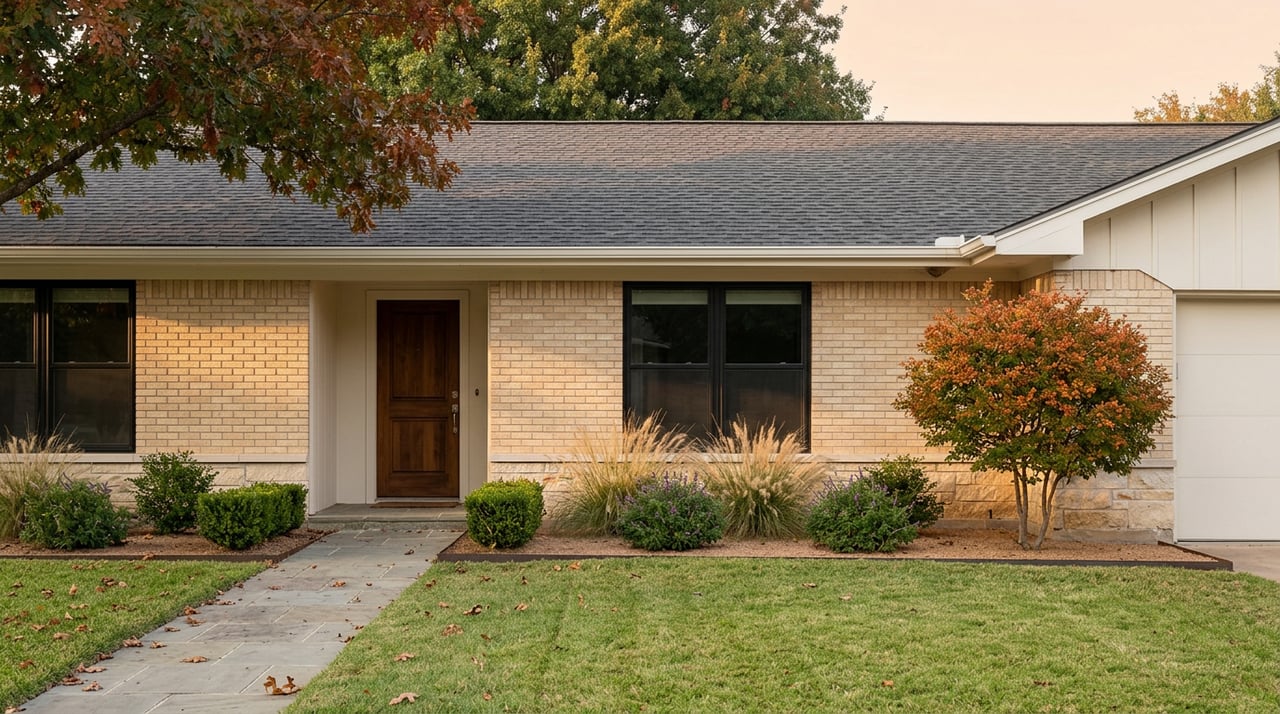
Some homes in New Deal reflect the town’s longer history. One example in current listing data is a 1953 single-family home on North Monroe Avenue with 3 bedrooms, 2 bathrooms, and a 5,000-square-foot lot.
That kind of property points to one side of the local market: established detached homes inside town. If you like the idea of a simpler footprint with a traditional neighborhood layout, that type of home may be part of your search.
Land and acreage options
Another side of the market includes buildable land and larger tracts near town. Reviewed listing data also showed 10-acre parcels just north of New Deal with access to I-27, and at least one parcel noted a new well and uses that included residential, single-family, manufactured-home, agricultural, and livestock purposes.
For buyers interested in space, flexibility, or future plans, that is an important detail. It suggests New Deal may offer options beyond a standard resale home, especially if you are considering land, a manufactured home setup, or a custom build.
What this means for your search
If you are home shopping in New Deal, it helps to enter the process with the right expectations. Inventory may be limited, and the mix of available property types can vary from established homes to lots and acreage.
This is where local guidance matters. If you are comparing an in-town resale, a lot purchase, or acreage with build potential, a clear strategy can help you move faster when the right property appears.
Daily life feels school-centered
In a town this size, local institutions often shape the rhythm of daily life, and New Deal is a strong example. New Deal Independent School District covers the town and the surrounding rural area across 119 square miles and serves about 750 students.
The district operates elementary, middle, and high school campuses. According to the district, its academic offerings include AP, dual credit, tech prep, special education, career and technical education, gifted and talented, and ESL services.
New Deal High School is identified by the district as a T-STEM Academy, and the district also describes itself as a Class AA school district. In practical terms, this tells you that the school system is a major part of community life and identity.
Activities and community connection
The district highlights extracurricular programs such as band, athletics, and UIL activities. In small towns, these programs often do more than fill a calendar. They help create shared routines, gathering points, and a strong sense of local participation.
If you are considering a move here, that can affect how the town feels from week to week. School events, activity schedules, and campus life may be a visible part of the community’s overall energy.
Recent school investment
Recent news also points to continued investment in local school facilities. In January 2026, KCBD reported a ribbon cutting and open house for a new elementary and middle school funded by a $37 million bond project.
The reported facility includes classrooms, a cafeteria, a gymnasium, a storm shelter, a band hall, and spaces for arts and science. For buyers, that kind of project is another sign that the school district is a major community anchor.
City services are simple and local
New Deal’s official city information reflects a compact municipal structure. The city lists services that include city hall, police, water and sewer, court and utility billing, and Fire/EMS.
That kind of setup is part of small-town living. Services are present, but the town is not trying to function like a large urban center with endless departments and layers of administration.
Local rules and town rhythm
The city also promotes a community notification system through Nixle and highlights a city-wide cleanup day. It also states that fireworks are not allowed within city limits at any time.
These details may seem small, but they tell you a lot about day-to-day expectations. In New Deal, local communication, practical town rules, and shared community upkeep appear to be visible parts of civic life.
Public safety has a volunteer spirit
New Deal Fire/EMS describes itself as a volunteer combination fire and EMS organization founded in 1977. The department reports about 25 volunteers and a service area of roughly 94 square miles.
According to the department, it provides fire suppression, rescue, and emergency medical services. It also serves as the town’s front line for severe weather monitoring and alerting.
That volunteer-based model says something meaningful about the town. In New Deal, emergency response is not just a service in the background. It is also part of the local culture of involvement and shared responsibility.
Weather awareness matters
Because the department emphasizes severe weather monitoring and alerting, weather awareness is likely part of everyday preparedness in the area. That is not unusual in West Texas, but it is still worth understanding if you are moving from a different region.
For you as a buyer, this simply means paying attention to how the town communicates alerts and how local services are organized. It is one more piece of learning the rhythm of the place.
The lifestyle balance in New Deal
So what is it really like to put down roots in New Deal? Based on the town’s location, housing patterns, school presence, and civic structure, the lifestyle appears to center on space, simplicity, and connection to Lubbock.
You are not choosing New Deal for a full retail corridor or a fast-paced city environment. You are more likely choosing it because you want a quieter home base, a school-centered community, and the option for more land or a larger lot while staying within reach of the Lubbock metro area.
That balance can be especially appealing if you want practical breathing room. Whether you are searching for a resale home, a lot for a future build, or acreage with flexible use, New Deal offers a distinct small-town alternative in Lubbock County.
If you are exploring New Deal, it helps to work with a team that understands both traditional homes and land opportunities in the area. For help buying, selling, or evaluating property in New Deal and across Lubbock County, reach out to Dane Hensley.
FAQs
What is New Deal, Texas like for daily living?
- New Deal appears to offer a quieter small-town setting with close access to Lubbock, and daily life seems strongly shaped by local schools, city services, and community-based emergency response.
What kinds of homes are available in New Deal?
- Current listing patterns suggest a mix of detached in-town homes, buildable lots, and acreage properties rather than a market centered on apartments or townhomes.
Is New Deal close to Lubbock?
- Yes. The Texas State Historical Association places New Deal about 11 miles north of Lubbock, with access along Interstate 27.
Does New Deal have acreage and land for sale?
- Listing data reviewed for New Deal included land and 10-acre tracts near town, which suggests buyers may find opportunities for larger lots and more flexible property use.
What role do schools play in New Deal?
- New Deal ISD serves the town and surrounding rural area, operates elementary through high school campuses, and appears to be a major community anchor through academics, activities, and recent facility investment.
Are city services available in New Deal?
- Yes. The city lists local services including city hall, police, water and sewer, court and utility billing, and Fire/EMS.