Wondering if you can enjoy small-town living without giving up easy access to work, school, or everyday errands in Lubbock? If you are looking at New Deal, that is the question that matters most. The good news is that New Deal sits close enough to make the drive practical while still offering a lower-density residential setting. In this guide, you will get a clear picture of what living in New Deal and commuting to Lubbock really looks like. Let’s dive in.
Why New Deal Works for Lubbock Commuters
New Deal functions less like a separate job center and more like a small-town home base for people who need to be in Lubbock regularly. The city places New Deal on Interstate 27 and Farm Road 1729, about eleven miles north of Lubbock. That location helps make the commute feel direct and manageable for many buyers.
If your job, classes, or appointments are in Lubbock, New Deal gives you access to a major regional route without pushing you too far out. I-27 is the key corridor connecting this part of the area. For many residents, that is what makes New Deal appealing in the first place.
What the Commute to Lubbock Looks Like
The basic commute pattern is straightforward. From New Deal, drivers are likely to use I-27 for the main part of the trip and then shift onto city streets as they get closer to workplaces, campuses, or services in Lubbock. That route pattern fits the verified road network and New Deal’s location.
Current ACS data for New Deal show an estimated mean travel time to work of 18.9 minutes. That figure supports the idea that New Deal offers a short regional commute rather than a long drive from a far-out exurban area. For many people, that can be a strong middle ground between living in town and living farther into the county.
Where Traffic Usually Becomes a Factor
One of the biggest advantages of New Deal is that the drive from town itself is likely to feel pretty simple. The more likely slowdowns happen once you are inside Lubbock and connecting with busier streets and corridors. That is where your commute can start to vary more from day to day.
TxDOT reports that the Lubbock urban area had about 3.41 million hours of annual delay in 2020. It also tied congestion to rush hours, crashes, breakdowns, work zones, bad weather, and special events. Key corridors include I-27, US 84, US 87, Loop 289, and Loop 88.
For commuters, that means your drive time may depend less on getting out of New Deal and more on where you are headed once you reach Lubbock. If your destination is near one of the busier corridors, you will want to leave room for normal city traffic. That is especially true during morning and evening peak periods.
Loop 88 and the Changing Traffic Picture
Lubbock’s traffic network is still evolving. TxDOT says Loop 88 is under construction and is intended to improve mobility and reduce congestion, and the agency has also reported that the first segments have opened in Lubbock County. That matters because regional access patterns may keep changing over time.
If you work on Lubbock’s west or south sides, future route options may continue to improve as the project develops. For now, it is best to think of the commute as simple from New Deal to Lubbock, with the biggest variations showing up once you are deeper into the city. That practical view lines up with the available transportation data.
Access to Texas Tech and Major Employers
New Deal can make sense if your daily routine centers on Lubbock’s major institutions. Texas Tech University’s main campus is at 2500 Broadway, making it a realistic destination for students, faculty, staff, and other university-related workers who want to live outside the city core. The commute stays within the same metro travel pattern.
Lubbock’s major employers also add to New Deal’s appeal. The Lubbock Economic Development Alliance lists Texas Tech University, Texas Tech Health Sciences Center, Covenant Health, UMC Health System, Lubbock Independent School District, the City of Lubbock, and Lubbock County among the area’s major employers. If your work is tied to one of these employers, New Deal gives you a nearby residential option without needing to live in central Lubbock.
The Feel of Living in New Deal
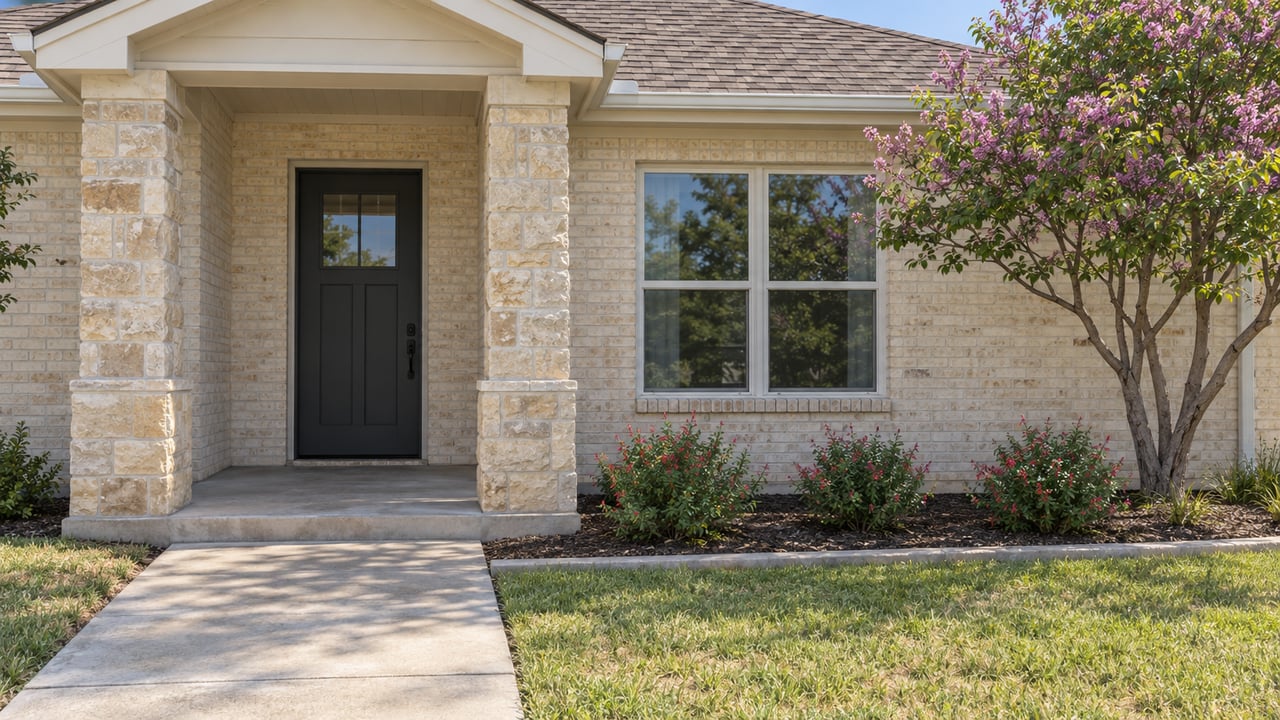
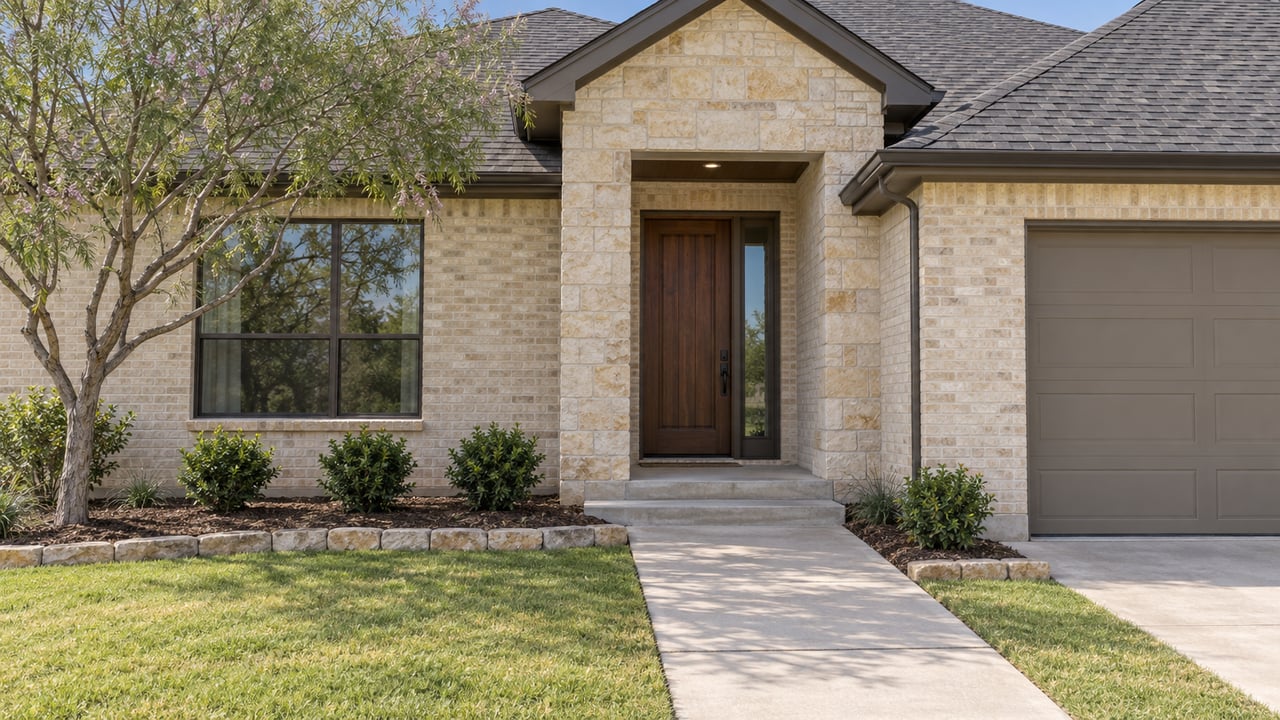
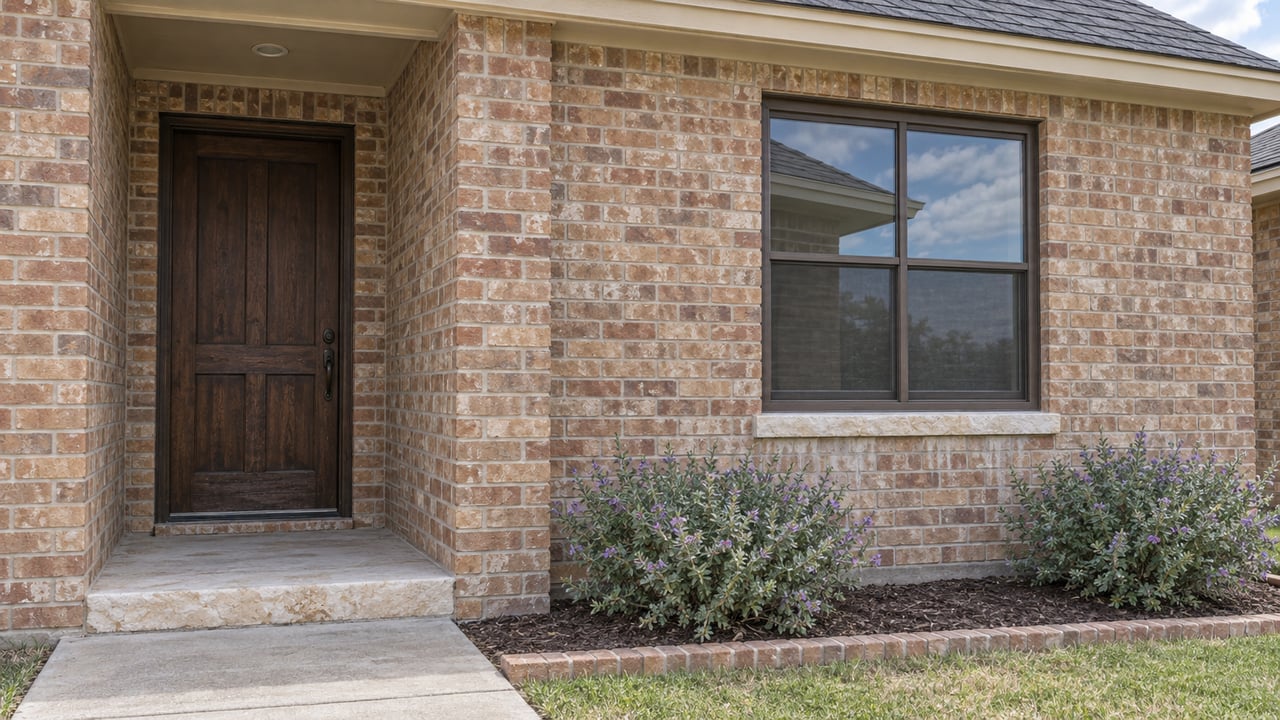
Commute convenience is only part of the story. Many buyers also want to know what everyday life feels like once they are home. Based on the available data, New Deal offers a compact, low-density setting that is very different from a denser suburban environment.
ACS 2024 profile data show New Deal with 668 residents, 293 housing units, 260 households, and about 2.3 square miles. Those numbers point to a small community footprint. In practical terms, that often translates to a quieter, more residential feel than you may find in busier parts of Lubbock.
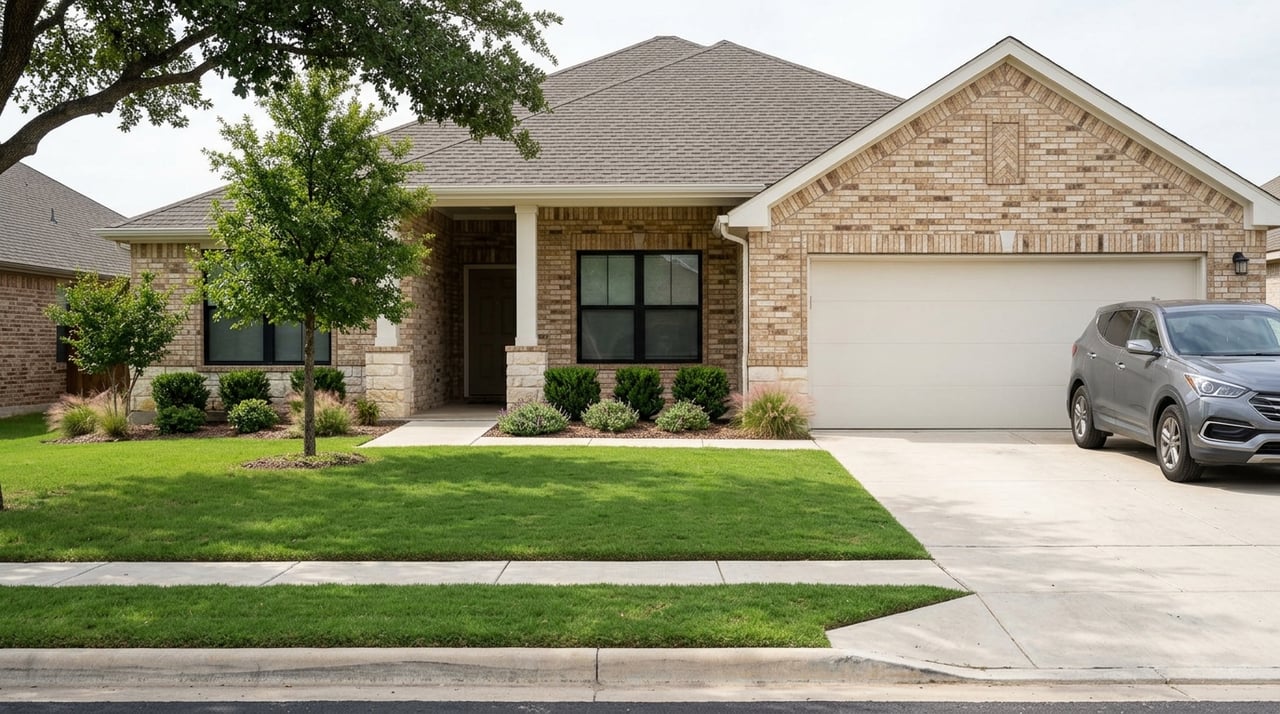
The city’s development standards reinforce that pattern. New Deal’s zoning code sets a minimum residential lot size of 5,500 square feet, and the subdivision ordinance requires new lots to be at least 7,000 square feet and 60 feet wide. That suggests future housing will generally continue to favor detached homes with yard space.
Why Lot Size Matters
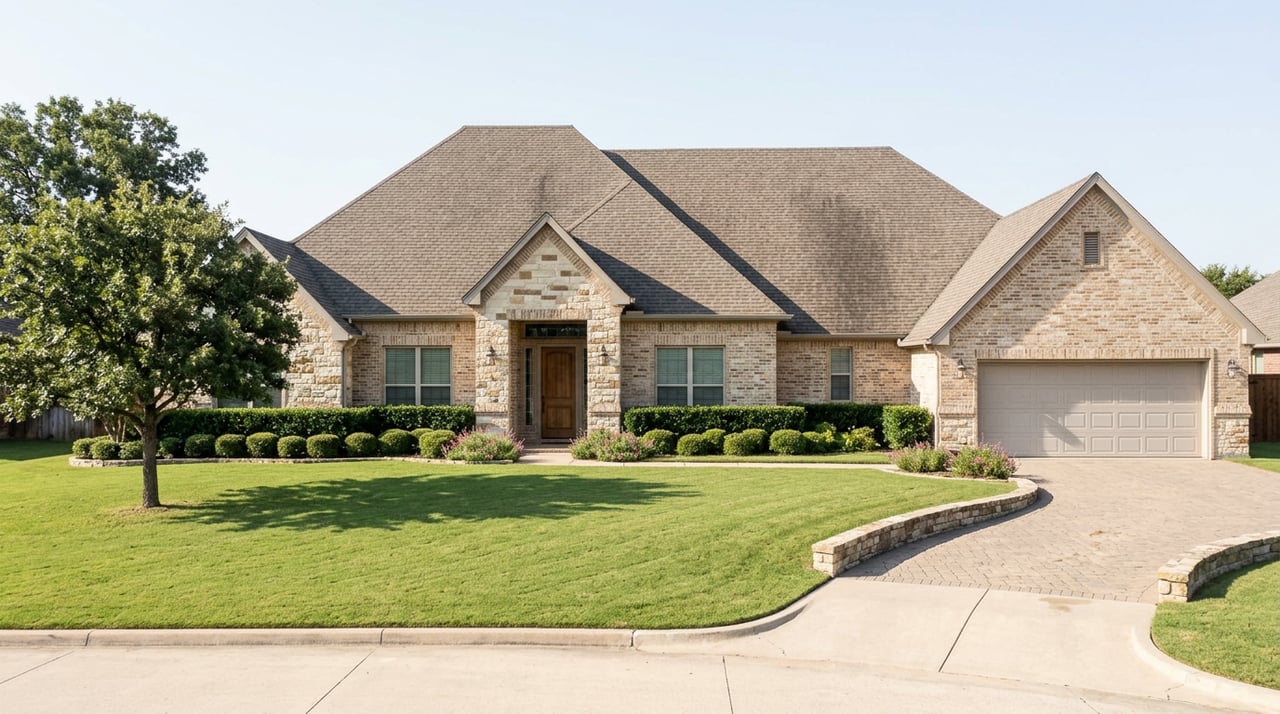
If you are comparing New Deal with more built-up parts of Lubbock, lot standards are worth paying attention to. Larger minimum lot requirements can shape the whole feel of a place. They often support a more open residential layout with more separation between homes.
For buyers who value yard space, outdoor use, or a less crowded layout, that can be a meaningful benefit. It can also appeal to people who want a small-town setting while staying connected to Lubbock’s jobs and services. This is one reason New Deal may stand out for buyers interested in larger-lot living in north Lubbock County.
A Small-Town, School-Centered Community
New Deal also shows signs of being a community where local events and public updates still matter. The city website highlights civic items like council agendas, minutes, emergency alerts, and community cleanup information. That kind of public communication reflects an active local government presence in a smaller setting.
New Deal ISD is also a visible part of community life. The district says it includes the city and adjoining rural area totaling 119 square miles and serves about 750 students. Its public calendar of events helps show how the district remains a central institution for many residents.
It is also notable that some school-related events connect back to Lubbock venues, such as graduation at the Lubbock Memorial Civic Center. That is a useful reminder that living in New Deal does not mean living apart from Lubbock. In many ways, residents move between the two as part of normal daily life.
Who Might Like Living in New Deal
New Deal may be a strong fit if you want a home base outside Lubbock without taking on a long commute. It can especially appeal to buyers who want lower-density surroundings, detached homes, and practical highway access. If you prefer a quieter residential setting but still need to get into the city often, this setup can make a lot of sense.
It may also work well if your routine revolves around Texas Tech or one of Lubbock’s major employers. Instead of choosing between a fully rural property and a more urban location, you may find that New Deal offers a comfortable middle option. That balance is a big part of its appeal.
Things to Consider Before You Move
Before you buy in New Deal, think carefully about your exact destination in Lubbock. A short regional commute can still feel different depending on whether you are headed to downtown, the Texas Tech area, a medical district, or the far south or west side. Your end point inside the city may shape your experience more than your starting point in New Deal.
It also helps to think about your lifestyle priorities beyond drive time. If you want a compact town setting, larger lots, and straightforward access to Lubbock, New Deal checks important boxes. If you prefer to be close to a wider concentration of in-city destinations, you may want to compare New Deal with neighborhoods inside Lubbock itself.
Bottom Line on New Deal and the Lubbock Commute
New Deal offers a practical setup for people who want small-town living with direct access to Lubbock. Its location on I-27, about eleven miles north of the city, supports a commute that is short enough for many workers, students, and households with regular ties to Lubbock. Add in its low-density housing pattern and larger-lot development standards, and you get a community that feels distinct without feeling disconnected.
If you are weighing where to live in north Lubbock County, New Deal is worth a serious look. It gives you a residential setting that feels quieter and more spread out while keeping Lubbock’s employers, services, and university access within reach. If you want help comparing New Deal with other nearby options, Dane Hensley can help you explore homes, land, and large-lot opportunities across the area.
FAQs
How far is New Deal from Lubbock?
- The City of New Deal says the town is about eleven miles north of Lubbock on I-27 and FM 1729.
What is the average commute time from New Deal, TX?
- ACS 2024 profile data estimate the mean travel time to work in New Deal at 18.9 minutes.
Is commuting from New Deal to Texas Tech practical?
- Yes. Texas Tech University’s main campus is in Lubbock, and New Deal’s location makes it a realistic home base for people who need regular access to campus.
What roads do New Deal residents use to commute to Lubbock?
- Based on New Deal’s location and the regional road network, commuters are likely to use I-27 for the main leg into Lubbock and then connect to city streets near their destination.
What is living in New Deal, TX like?
- Available data point to a compact, low-density town with a small housing stock, larger minimum lot standards, and a community pattern that feels more residential than densely suburban.
Is New Deal a good option for buyers who want larger lots near Lubbock?
- It can be. New Deal’s zoning and subdivision rules require relatively large residential lots, which supports a more open, yard-oriented housing pattern.