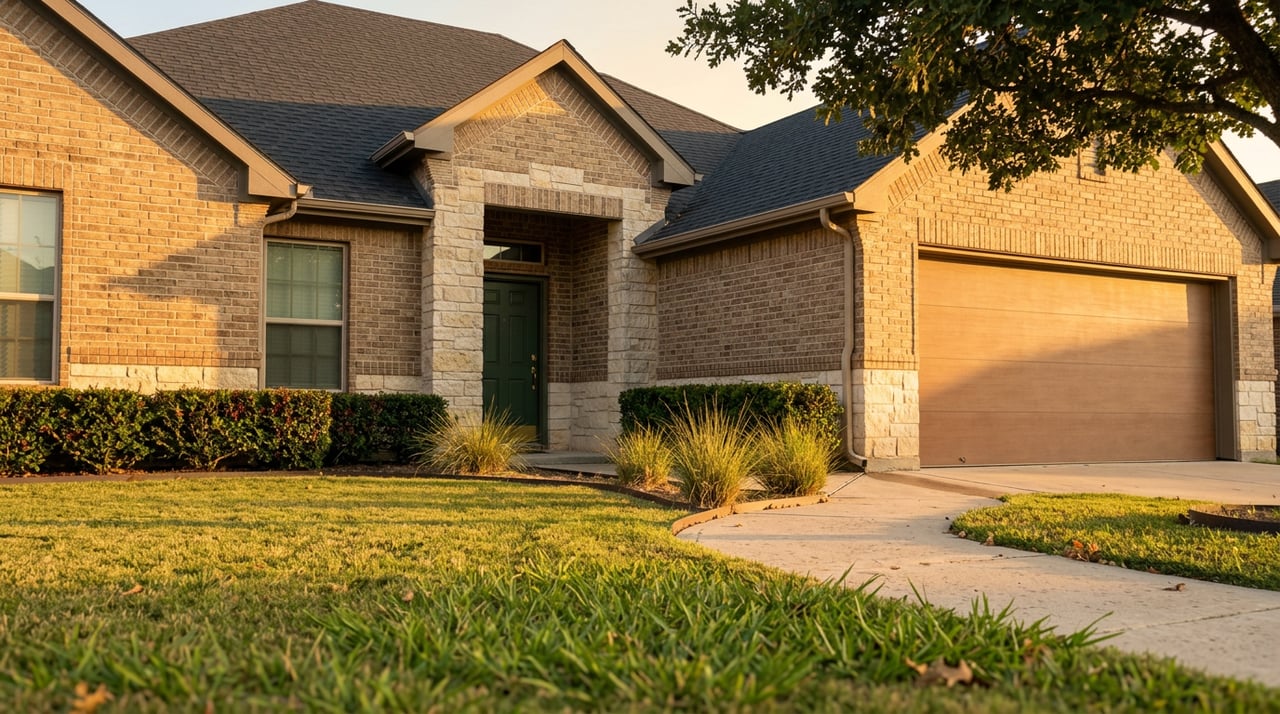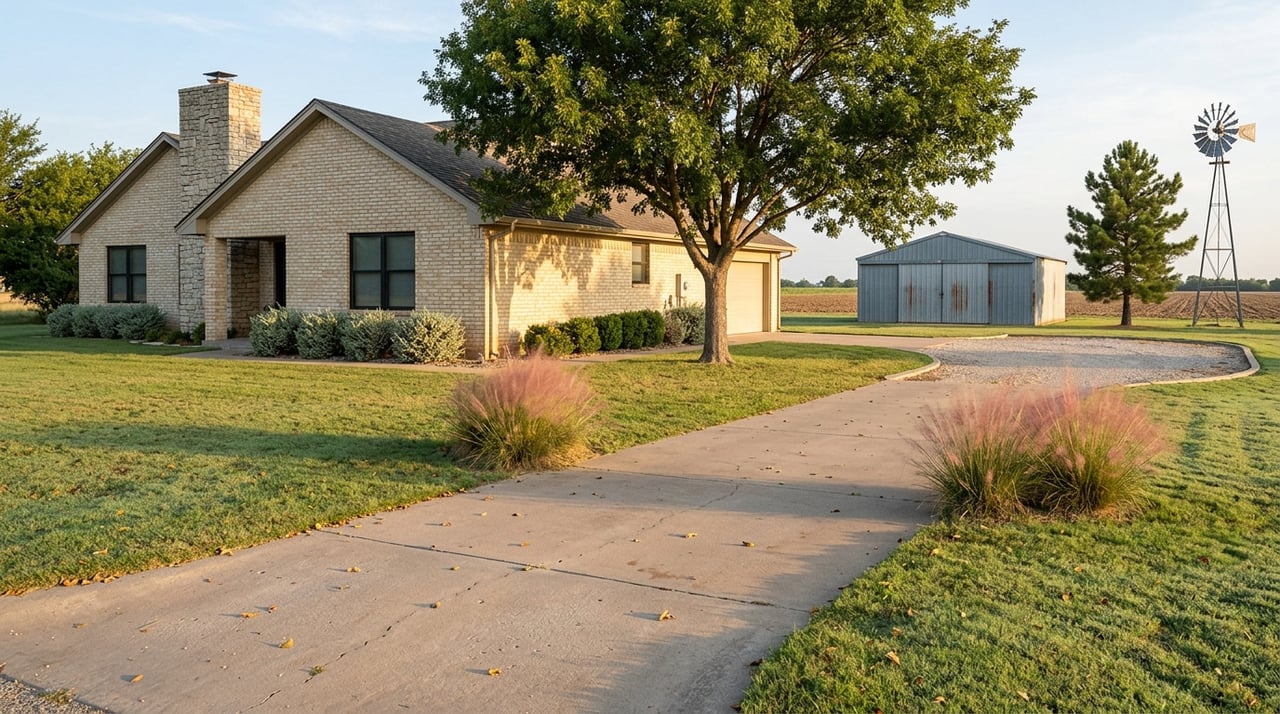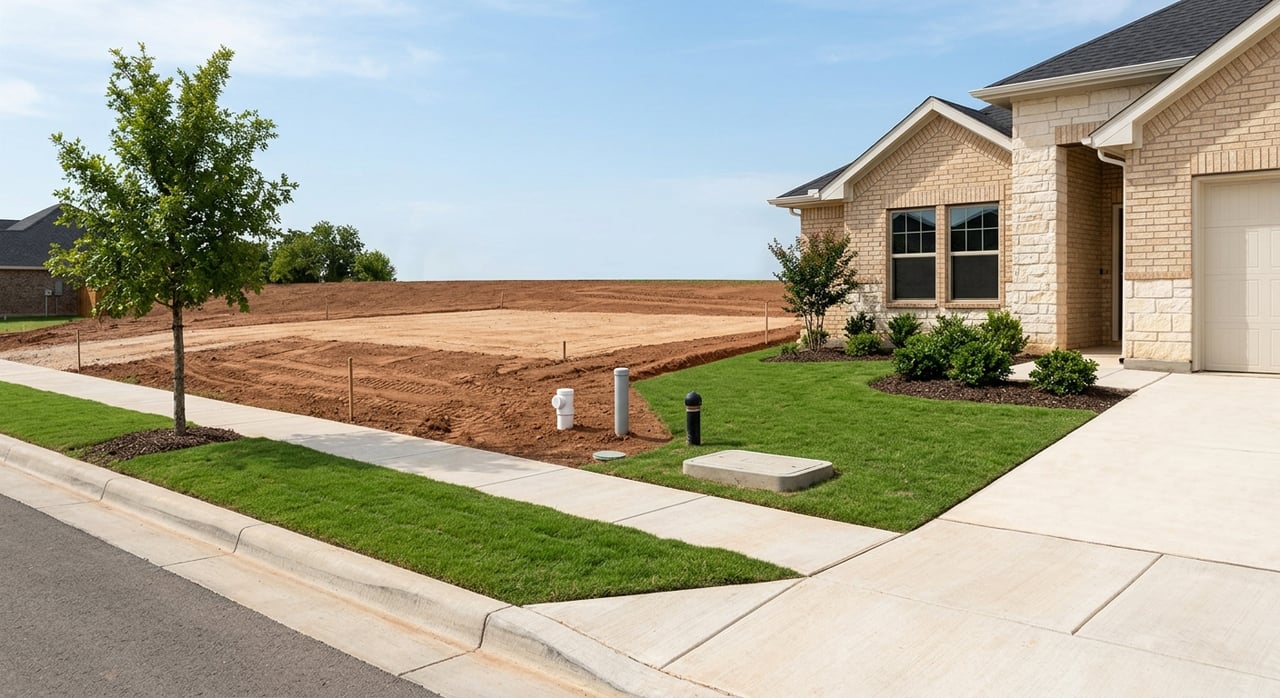
Thinking about building on a lot in New Deal? It can be a smart way to create a home that fits your needs, but the process has more moving parts than many buyers expect. Before you choose a floor plan or talk finishes, you need to know how city limits, platting, utilities, permits, and financing can affect your timeline and budget. This step-by-step overview will help you plan with more confidence and avoid common mistakes before they become expensive ones. Let’s dive in.
Start With the Lot Location
Your first step is to confirm exactly where the lot sits. Before you buy, find out whether the property is inside New Deal city limits, within the city’s extraterritorial jurisdiction, or outside city jurisdiction altogether.
That matters because New Deal’s subdivision ordinance applies both inside the city and in its ETJ. If a tract is just outside town, the path to building may still involve city review, platting requirements, and in some cases annexation-related steps.
Confirm Whether the Lot Is Build-Ready
Not every piece of land is ready for a permit just because it is for sale. One of the biggest issues in New Deal is whether the lot is already properly platted or whether it is being split from a larger tract.
If the property is part of a new subdivision or a tract split, the city may require plat approval before building permits are issued. Under the city’s subdivision rules, a preliminary plat package must include utility commitment letters from each utility provider that will serve the subdivision, and the city can withhold water and sewer service from additions that were not approved and recorded.
Check Utility Availability Early
Utilities should be one of your first due diligence items, not something you check after design work starts. According to the City of New Deal public works information, owners or occupants within 150 feet of a city water line or sewer main must connect to available city water and sewer facilities unless the City Council grants a variance.
If service is not already in place, timing and cost can change quickly. The city’s utility rules also note that requests for service not on an existing line require an application to the city secretary, and some extensions or nonstandard requests may need city council approval under the city utility code.
Review Records Before You Close
Before you buy, verify what the public records show for the property. That includes checking the legal description, any recorded documents that affect the tract, and the current appraisal district information.
Lubbock County offers an online public document search that can help you review recorded instruments, although the county notes that the site is not the official repository of real property records. You can also use the Lubbock Central Appraisal District property search to confirm basic property information and review value-related data.
Understand When Septic May Be Needed
If city sewer is not available, you may need an on-site sewage facility instead. In Texas, the TCEQ OSSF permit guidance says a permit and approved plan are required to construct, alter, repair, extend, or operate a septic system, and the preconstruction site evaluation includes both a lot survey and soil analysis in the proposed disposal area.
This is why a lot that looks inexpensive at first can become more costly in practice. If septic is needed, the evaluation, design, permit, and installation all need to be factored into your budget and timeline.
Learn How Plat Approval Affects Timing
If your lot needs platting, that process can add meaningful time before construction begins. New Deal’s ordinance says the planning and zoning commission is expected to review a preliminary plat within 45 days, and approval lasts one year.
The ordinance also states that final plat action generally occurs within 45 days after submission, and a final plat is generally required before building permits are issued for lots in the approved subdivision. If you are buying land near the city boundary, this step deserves close attention because it can shape your entire project schedule.
Know How Building Permits Work
Once the lot is legally ready and your plans comply, permits come next. Under New Deal’s zoning and structural standards rules, the owner submits an application to the zoning administrator for projects allowed by right, and if the proposal complies with city ordinances and the adopted building code, the building official issues the permit.
The city also requires a separate permit for each building or structure, and permitted work is subject to inspection. That means your builder, plans, and scope of work should all be clear before construction begins.
Choose a Builder With a Detailed Contract
Your builder contract matters long before the slab is poured. Since permits, inspections, utility work, and lender milestones all affect the project, vague language in the contract can create confusion and added cost.
You will want the agreement to clearly address:
- Scope of work
- Allowances
- Change orders
- Site work
- Utility work
- Inspection milestones
- Estimated completion timing
This step is especially important if you are using a construction loan. Lenders typically want documentation showing the home was completed before the permanent mortgage phase begins or the loan converts.
Understand Construction Loan Options
Most buyers building a home use either a construction loan or a construction-to-permanent loan. According to the Consumer Financial Protection Bureau, a construction loan is usually a short-term loan that funds the build, while a construction-to-permanent loan combines the construction phase and long-term mortgage into one structure.
The research also notes that some single-close construction-to-permanent loans follow limits tied to the construction period and total loan period. Because of that, delays with platting, utility approvals, inspections, or completion documents can affect financing, not just your move-in date.
Build a Realistic Budget
When buyers think about cost, they often focus on the home itself. In reality, the total budget usually includes several land-development and pre-construction items that need to be planned early.
Your budget may include:
- Land purchase price
- Survey, title, and recording costs
- Platting and engineering, if needed
- Permit and inspection fees
- Utility tap fees or extension costs
- Septic or OSSF work, if needed
- Site clearing and grading
- Foundation work
- Builder contract price
- Contingency reserve
For New Deal specifically, the city’s utility code lists a residential water deposit of $125, a water minimum of $31 for the first 2,000 gallons, a residential sewer charge of $30 per month, a water tap fee of $1,033 for a 3/4-inch tap or $1,293 for a 1-inch tap, and a sewer tap fee starting at $350 for a 0- to 5-foot connection, with additional charges that may apply based on depth, pipeline, and paving conditions.
Expect the Full Process to Take Time
Building from lot purchase to move-in often takes longer than buyers expect. Nationally, Census and NAHB data summarized by Eye On Housing put the average completion time for a single-family home in 2023 at about 10.1 months, including about 1.5 months from authorization to start and 8.6 months from start to completion.
In New Deal, the practical timeline can stretch beyond that if you need platting, utility approvals, extensions, or septic review before vertical construction begins. In other words, the pre-build work can sometimes take as much planning energy as the home itself.
Avoid Common New Deal Mistakes
A few mistakes show up again and again when buyers purchase land for a build. The good news is that most of them are avoidable with early due diligence.
Watch out for these common issues:
- Buying a tract before confirming whether it is properly platted
- Assuming city water or sewer is already available
- Overlooking utility commitment requirements for subdivision lots
- Forgetting that septic systems require a permit and site evaluation
- Letting preliminary plat approval expire after one year
- Underestimating the time needed for city review and inspections
Work With Local Guidance From Day One
Building on a lot in New Deal can be a great opportunity, but the smartest projects usually start with clear answers before money is committed. If you verify location, plat status, utilities, septic needs, financing structure, and permit requirements early, you can move forward with far fewer surprises.
That is where local guidance can make a real difference. If you are thinking about buying land or building in New Deal, Dane Hensley can help you evaluate the lot, understand the process, and take the next step with confidence.
FAQs
What should you verify before buying a build lot in New Deal?
- Confirm whether the lot is inside New Deal, in the ETJ, or outside city jurisdiction, and verify plat status, utility availability, and whether sewer or septic will be required.
How long does plat approval take for land in New Deal?
- New Deal’s ordinance says preliminary plat review is expected within 45 days, and final plat action is generally within 45 days after submission.
Do you need city water and sewer service for a lot in New Deal?
- If the property is within 150 feet of an available city water line or sewer main, city rules generally require connection unless the City Council grants a variance.
Do you need a septic permit for land near New Deal?
- If city sewer is not available and the lot will use an on-site sewage facility, TCEQ says a permit and approved plan are generally required, along with a site evaluation and soil analysis.
Can you build on land just outside New Deal city limits?
- Possibly, but the process may still involve ETJ rules, plat approval, utility coordination, and in some cases annexation-related requirements depending on the tract.
What permits are required to build a home in New Deal?
- New Deal requires permit applications for compliant projects, a separate permit for each building or structure, and inspections for permitted work.