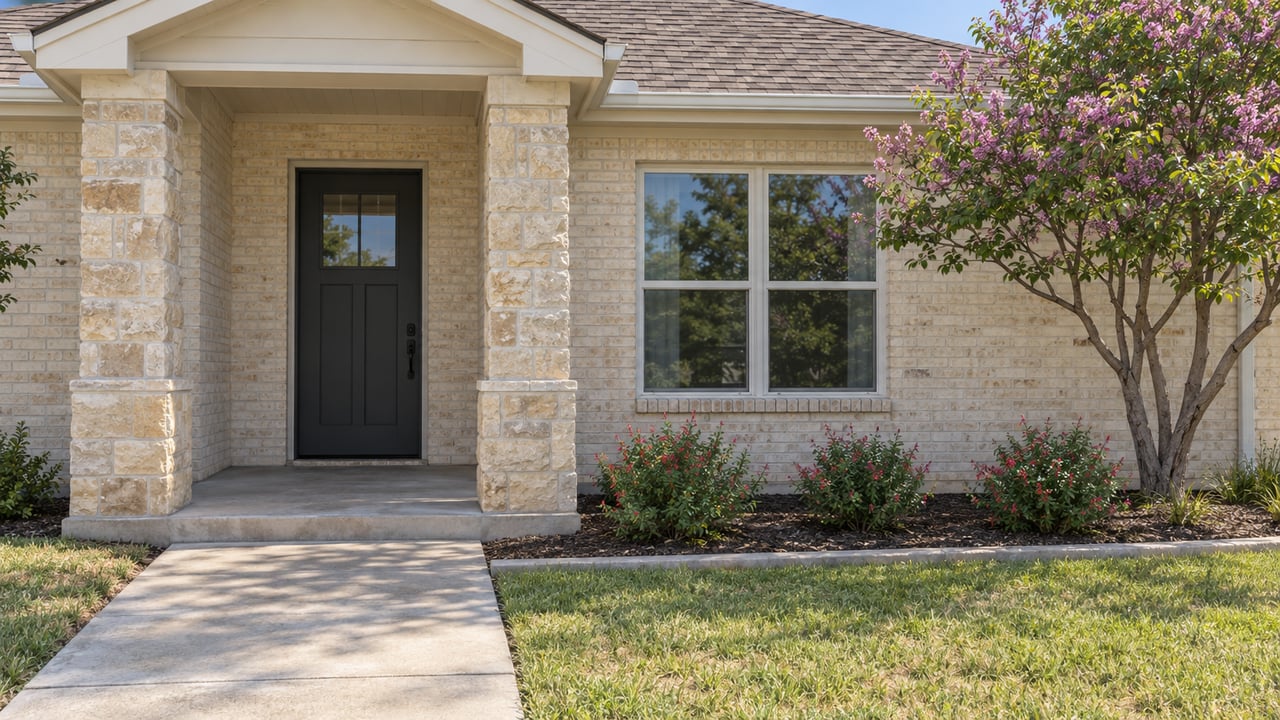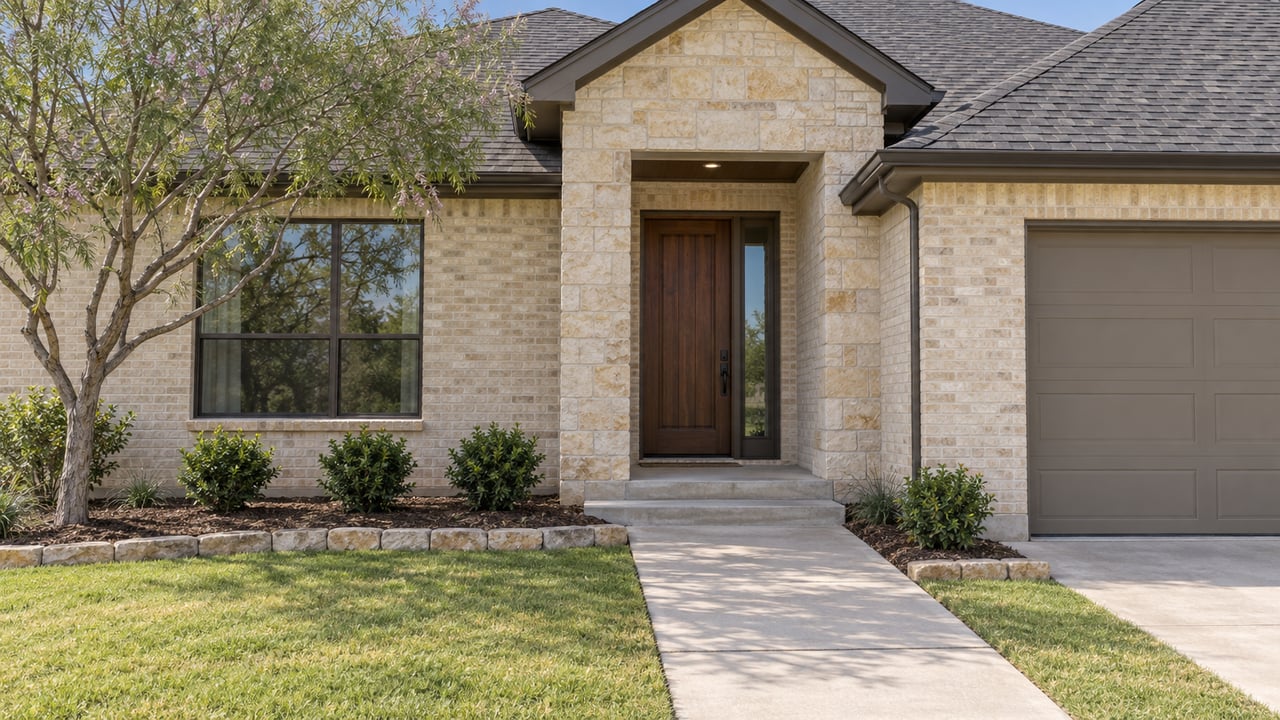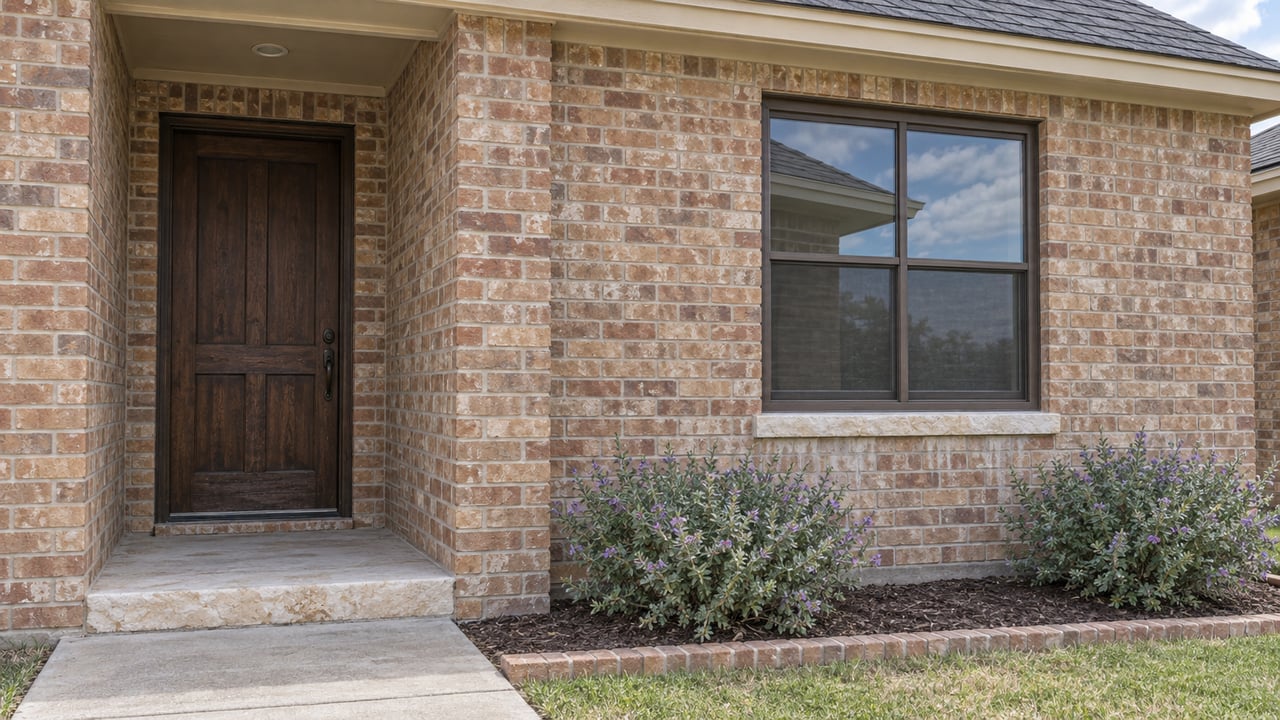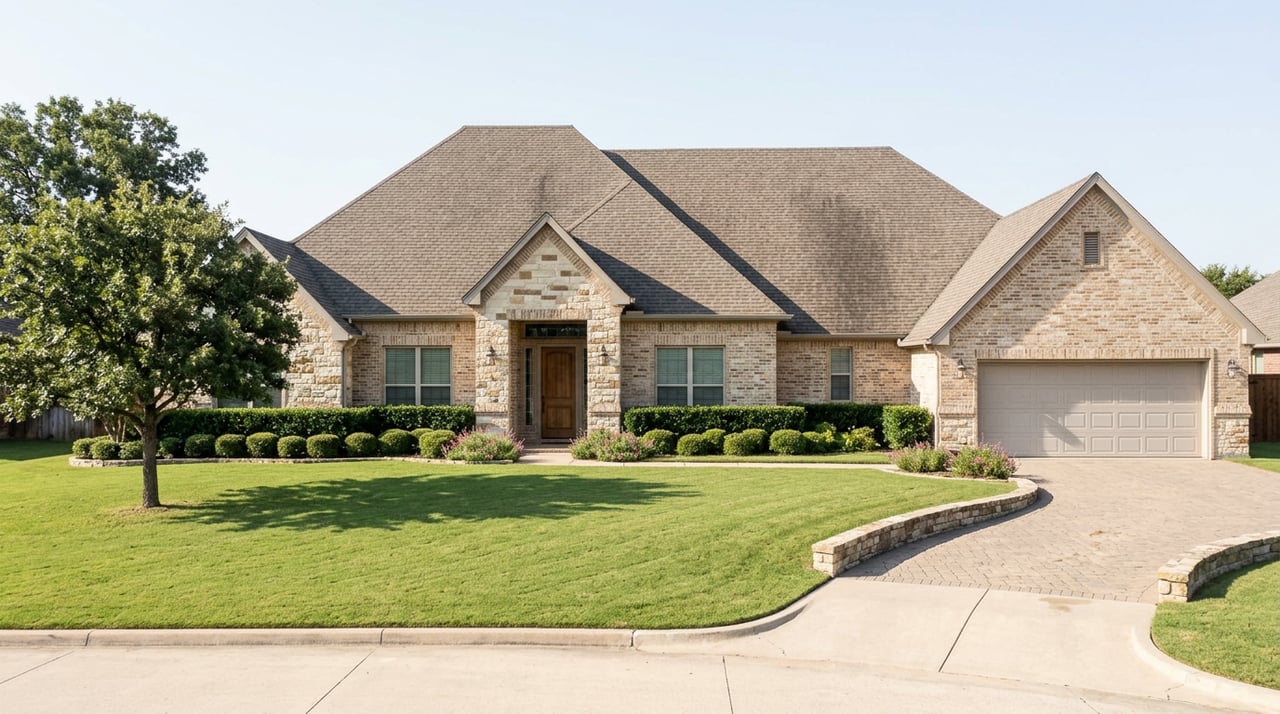
Buying your first home in Lubbock can feel like standing at a four‑way crossroads. You want the right payment, a manageable commute, and the lifestyle that fits your next few years. The good news is Lubbock offers distinct neighborhood types that line up with different budgets and priorities. In this guide, you’ll learn how the city’s main areas compare so you can choose confidently and avoid surprises. Let’s dive in.
Neighborhood types at a glance
Central Lubbock
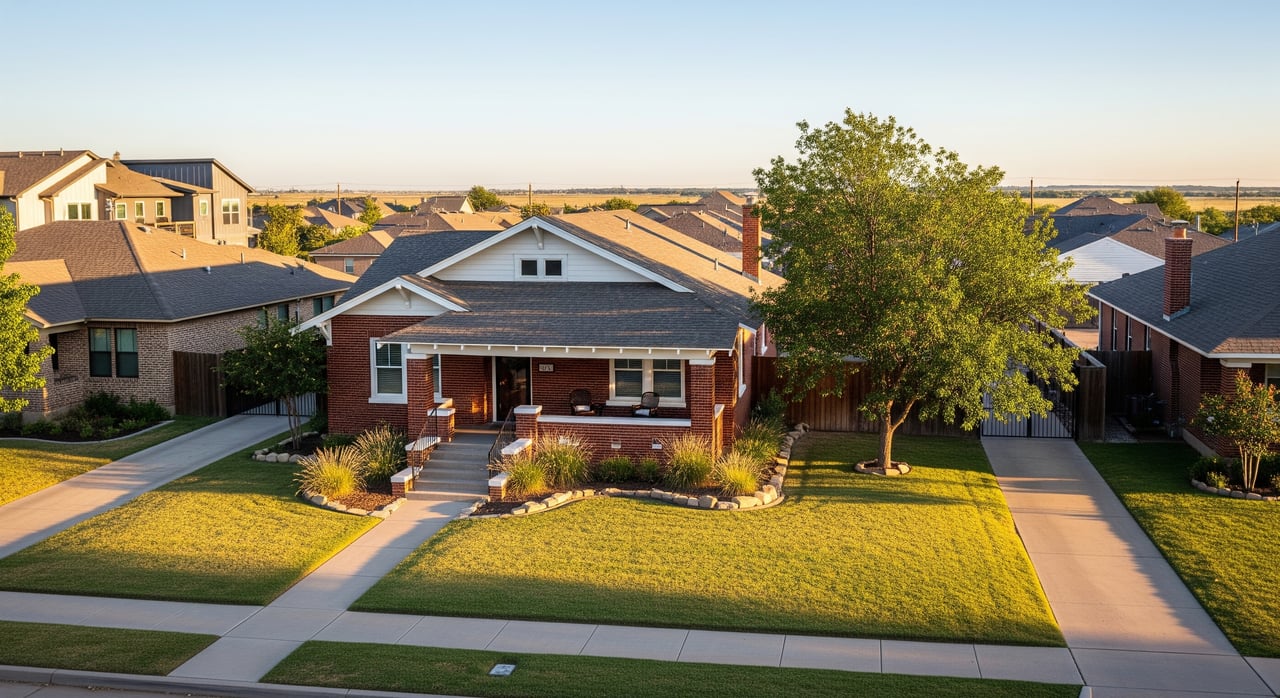
Homes here are mostly mid‑century, with many built in the 1950s to 1970s. You’ll see bungalows and ranch homes on smaller lots, with mature trees and established streets. HOAs are uncommon.
Most central addresses fall within Lubbock ISD, but attendance zones can change block by block, so verify each property. You’ll enjoy short drives to downtown, the medical district, and major employers. Parks, local shops, and older commercial corridors are nearby, and walkability is generally better than the suburbs.
What you might like: lower entry prices for smaller homes, a convenient location, and the chance to add value through smart updates. What to watch: older systems like HVAC, roofs, and plumbing may need attention, yards can be smaller, and some streets are close to higher‑traffic corridors.
Southwest Lubbock
This is the land of newer subdivisions, with many homes from the 1990s through the 2020s. Lots tend to be moderate to larger than central, and some communities include gated sections or shared amenities. HOAs and architectural guidelines are common.
Schools vary by subdivision, with areas served by Lubbock ISD, Frenship ISD, and other neighboring districts. Commutes to Texas Tech and downtown are moderate, often 15 to 30 minutes depending on traffic and the exact location. You’ll find newer retail, grocery options, parks, and family‑oriented amenities.
What you might like: newer construction, lower day‑one maintenance, and family‑friendly layouts. What to watch: higher price points in premium communities, HOA fees and rules, and longer drives compared with central.
Near‑campus (Texas Tech area)
Close to Texas Tech, you’ll find a mix of older cottages, bungalows, infill, duplexes, and small multifamily. Many properties cater to student renters, which shapes the area’s character.
These neighborhoods sit within Lubbock ISD, but for K–12 planning you should confirm attendance zones for each property. Commutes are a breeze for campus and downtown, and walkability to restaurants, transit routes, and entertainment is a major perk.
What you might like: lower entry prices on smaller homes and potential rental income if you purchase a duplex or rent spare rooms. What to watch: higher tenant turnover and wear if used as a rental, more noise and parking pressure, and resale that can depend on investor demand and property condition.
Fringe and rural‑lot areas
Head toward the outskirts and you’ll see a wide range of homes, from custom builds to older ranch properties. Lots can be generous, from half an acre to several acres, and you’ll find both new subdivisions and rural parcels. HOAs are mixed: new communities may have them, while rural tracts often do not.
School districts vary, including Lubbock ISD, Frenship ISD, Shallowater ISD, and others. Commutes to central Lubbock are longer, often 20 to 40 minutes or more. Amenities are usually a drive away, though some master‑planned fringe communities include pools or trails.
What you might like: more space for the money, room for outbuildings or projects, and privacy. What to watch: longer commutes, potential well or septic systems, rural electric or propane, and broadband variations that can affect work‑from‑home.
Compare costs and tradeoffs
Price and total cost
- Near‑campus and central can be the most affordable entry points based on smaller home sizes.
- Southwest ranges from mid to higher prices depending on subdivision and finishes.
- Fringe can deliver larger homes or lots at similar or lower prices, but account for commute, utilities, and property upkeep.
- Budget for extras: property taxes by district, HOA fees, older‑home repairs, and transportation costs.
Commute and lifestyle
- Shortest commutes: central and near‑campus.
- Moderate: southwest.
- Longest: fringe and rural‑lot areas.
- Walkability and nightlife are strongest near campus and in some central pockets. Southwest leans toward parks and family amenities. Fringe prioritizes space and privacy over proximity.
Schools and future planning
- Districts and attendance zones vary across the city and can change. Confirm each property’s current zoning and available school information before you offer.
- Southwest and some fringe neighborhoods often market family‑friendly amenities and larger yards. Central offers convenience and smaller footprints, while near‑campus is more student‑oriented.
Maintenance and renovation
- Central and near‑campus homes may need near‑term updates for roofs, HVAC, electrical, or plumbing. Plan for inspections and a repair budget.
- Newer southwest and many fringe builds usually have fewer immediate maintenance needs, but watch for HOA design rules that affect exterior changes.
Rental and investment potential
- Near‑campus properties can perform well as student rentals, but they require active management and awareness of rental ordinances.
- Central homes near jobs and hospitals can attract young professionals and respond well to quality renovations.
- Fringe rentals are less dense and may see longer vacancy between tenants, depending on location.
Appreciation drivers and risks
- Local drivers include school quality, nearby retail or office development, new infrastructure, and limited supply in desirable pockets.
- Risk factors include shifts in student rental demand, changes at major employers, and interest rate trends. Pull recent sales and trends before you write an offer.
Financing and first‑time assistance
- Common loan paths include conventional, FHA, VA for eligible veterans, and USDA for certain rural fringe areas that qualify.
- State‑level programs may offer down‑payment assistance and first‑time buyer support. Get pre‑approved early and ask lenders which programs fit your profile and target neighborhoods.
First‑time buyer checklist
Use this list while you tour and compare areas:
- Confirm the property’s exact school attendance zone and locate current performance info.
- Review recent sold prices for comparable homes within the immediate area from the last 6 to 12 months.
- Note the home’s approximate age and typical system issues. Ask for disclosures and schedule a thorough inspection.
- Verify lot size, any easements, and whether the parcel touches a floodplain.
- Check for an HOA, annual dues, and architectural rules that affect painting, fencing, or additions.
- Time your commute to work, campus, daycare, groceries, and healthcare during peak hours.
- Look up the full property tax rate, including city, county, and school district components.
- Ask about rental rules that impact house hacking, student leasing, or short‑term rentals.
- Walk the area for parks, sidewalks, lighting, and access to shopping or services.
- Review available crime statistics for objective context.
- For fringe properties, confirm utilities: water source, septic, gas or propane, and internet options.
- Scan for nearby new construction, planned developments, and neighborhood turnover that affect resale.
How to choose your best fit
1) Map your non‑negotiables
Write down your top three must‑haves. Examples: under a certain monthly payment, commute under 20 minutes, room for a workshop, or a specific school zone. Use these to filter out whole areas quickly.
2) Compare two shortlists
Pick one area from two different categories, for example central vs southwest. Tour sample homes in both on the same day, then compare travel times, noise levels, and how each home feels in person.
3) Run the true monthly cost
Add principal and interest, property taxes for that address, HOA fees, estimated utilities, and a maintenance reserve. In older areas, include a line for near‑term upgrades like HVAC or roofing. On the fringe, include gas or propane and broadband costs if relevant.
New builds, renovations, and land
If you want move‑in ready, the southwest and some fringe subdivisions offer newer homes with modern layouts and lower immediate maintenance. If you enjoy projects, central and near‑campus homes can reward smart renovations that boost livability and future resale. If space matters most, fringe and rural‑lot options bring acreage potential and room for outbuildings, with the tradeoff of longer drives and different utility setups.
Work with local pros who know the micro‑markets
Choosing the right neighborhood type is half the battle. The other half is knowing what to ask, where to verify details, and how to price the tradeoffs. Our team combines neighborhood fluency with practical construction insight, so you can spot value, plan improvements, and avoid costly surprises. When you are ready to tour or compare areas side by side, reach out to Dane Hensley for a clear plan to your first home in Lubbock.
FAQs
What is the most affordable area for first‑time buyers in Lubbock?
- Central and near‑campus neighborhoods often have lower entry prices due to smaller homes, while southwest and fringe can cost more overall but may offer newer builds or larger lots.
How do commutes compare between central, southwest, and fringe areas?
- Central and near‑campus offer the shortest drives to downtown and Texas Tech, southwest is moderate, and fringe areas tend to have the longest commutes.
Are HOAs common across Lubbock neighborhoods?
- HOAs are uncommon in most central and near‑campus areas, more common in southwest subdivisions, and mixed on the fringe where new communities may have HOAs but rural tracts often do not.
What should I budget for maintenance on older homes?
- Plan for inspections and a reserve for systems like roof, HVAC, electrical, and plumbing, which are more likely to need updates in mid‑century homes.
Can I house hack or rent rooms near Texas Tech?
- Many near‑campus properties are used as rentals and may support house hacking, but you should confirm any local rental rules and property‑specific restrictions before you buy.
How do school districts affect my search?
- Attendance zones and districts vary across micro‑markets and can change, so verify the exact property’s zoning and review available school information during your due diligence.
Which areas work for USDA or rural‑focused financing?
- Some fringe and rural‑lot addresses may qualify, but eligibility depends on the exact location and program criteria, so check with your lender early in the process.