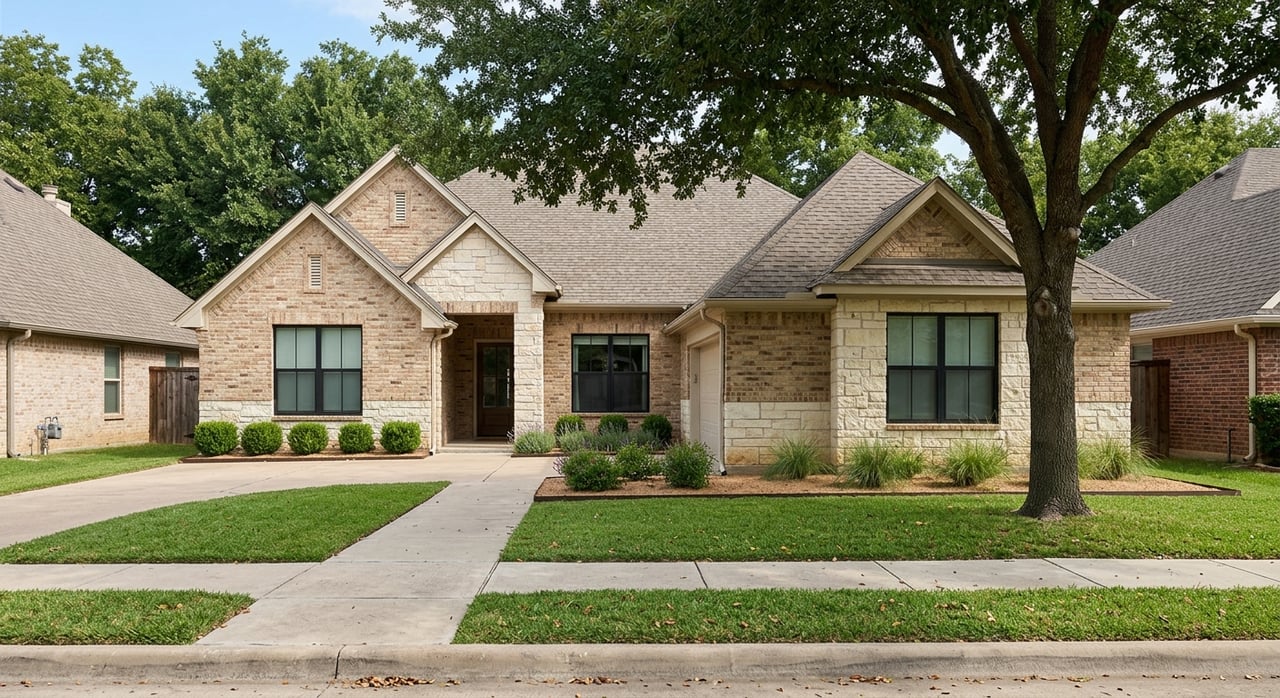
Trying to decide between a home in town and a place with more land near Shallowater? That choice can feel simple at first, but the day-to-day reality is very different once you look past the listing photos. If you are weighing convenience against elbow room, this guide will help you understand the tradeoffs so you can choose the lifestyle that fits you best. Let’s dive in.
Why this choice matters in Shallowater
Shallowater sits about 8 miles northwest of Lubbock along U.S. 84, which makes it appealing if you want access to Lubbock while living in a smaller community setting. The key decision for many buyers is not just the house itself. It is whether you want a more compact in-town setup or a more spread-out county-road lifestyle nearby.
That difference affects your lot size, utilities, upkeep, and even how much property management lands on your shoulders. In other words, this is not only a price or square-footage decision. It is a lifestyle decision.
What in-town Shallowater living looks like
In-town Shallowater is shaped by standard single-family zoning and city services. The city’s R-1 zoning district requires a minimum lot area of 5,000 square feet and a minimum lot width of 50 feet. It also sets front, rear, and side setbacks and requires two off-street parking spaces for a single-family home.
That creates a more traditional neighborhood layout. Homes are generally closer together than acreage properties, and the lot use is more structured. Accessory buildings are allowed, but their size and placement are limited, which helps keep the in-town feel more compact and residential.
Current listings reflect that pattern. In-town homes in Shallowater are often on lots around a quarter acre, with examples ranging from about 0.24 acre to 0.31 acre. That tells you a lot about the market: in-town homes are usually about comfortable residential living rather than large-scale land use.
Benefits of living in town
For many buyers, the biggest advantage is simplicity. The City of Shallowater provides water, sewer, and garbage service, which can make homeownership feel more straightforward.
Instead of thinking about private systems, you are more likely to focus on regular home maintenance, lawn care, landscaping, and utility bills. If you want a setup that is easier to manage from week to week, that can be a major plus.
In-town living may be a strong fit if you want:
- A smaller, more manageable lot
- City water, sewer, and garbage service
- A more standardized residential setting
- Less land-related upkeep
- A home base that feels connected to town services
Things to keep in mind in town
A smaller lot usually means less flexibility for how you use the property. If you are picturing wide-open space, a large workshop, or room for more extensive outdoor uses, an in-town lot may feel limiting.
You will also want to remember that city utility use comes with local water rules. The City of Shallowater says it follows Lubbock’s irrigation schedule and water restrictions, so that can affect how and when you water landscaping.
What nearby acreage homes offer
If you move outside the compact in-town setting, the land options open up fast. Current acreage listings near Shallowater show a wide range, including properties around 1 acre, 1.59 acres, 5.29 acres, 10.01 acres, 20.02 acres, 40.08 acres, and even 52.23 acres.
That wider range changes the conversation. On acreage, the land becomes part of the value in a much bigger way. Buyers often look at these properties for privacy, extra elbow room, recreation, outbuildings, or practical land use that would not fit on a standard city lot.
Some active listings also highlight features like room for animals, country-style living, and even a roping arena. That does not mean every acreage property works the same way, but it does show the type of lifestyle many buyers are pursuing when they shop outside town.
Benefits of acreage living
The biggest draw is flexibility. More land can give you more separation from neighbors, more room for storage or outdoor projects, and more options for how you enjoy the property.
For some buyers, acreage also feels like a better fit for long-term goals. If you want more space to spread out or simply prefer a less compact setting, acreage may offer the breathing room you are looking for.
Acreage may be a strong fit if you want:
- More privacy
- Room for a shop or outbuildings
- Space for animals, recreation, or outdoor use
- A property where the land plays a bigger role in daily life
- More flexibility than a standard in-town lot can offer
The extra responsibilities of acreage
The tradeoff is that more freedom often comes with more responsibility. This is where buyers need to look beyond the house and pay close attention to the property systems.
If a property uses an on-site sewage facility, also called an OSSF or septic system, Texas rules require permits for construction, installation, alteration, extension, or repair. Lubbock County Public Works handles septic permitting locally, and the site must be evaluated before installation by a licensed site evaluator or professional engineer.
Some single-family tracts of 10 acres or more may qualify for a narrow permit exemption under state rules, but buyers should not assume that applies. It is important to verify the details with the local permitting authority.
If the property has a private well, that creates another layer of ownership responsibility. The Texas Groundwater Protection Committee says domestic wells may be used for drinking water and irrigation, but water quality is largely the owner’s responsibility.
That means you should ask clear questions before you buy. You will want to know the water source, the well’s location relative to any septic system, the condition of the pump house, and whether there are well reports, testing records, or maintenance records available.
Septic maintenance also matters after closing. According to TCEQ, conventional septic tanks are typically pumped every three to five years, while aerobic systems need more regular maintenance and may require licensed service depending on local rules.
In-town versus acreage at a glance
Here is the simplest way to compare the two options:
| Feature | In-Town Shallowater | Nearby Acreage |
|---|---|---|
| Lot size | Often around a quarter acre | Can range from about 1 acre to 50+ acres |
| Utilities | City water, sewer, and garbage | May rely on private well and septic |
| Property use | More standardized residential setting | More flexible land use potential |
| Maintenance | Lower day-to-day land management | More self-managed systems and land care |
| Feel | Compact neighborhood setting | More spread-out county-road lifestyle |
Questions to ask before you make an offer
Whether you lean toward town or acreage, a few local questions can save you time and stress later. These are especially important in the Shallowater area, where one address can feel very different from another.
Check city limits and utilities
First, confirm whether the property is inside city limits. Then ask whether it is connected to city water and sewer or depends on a private well and septic system.
This one step can tell you a lot about future maintenance and monthly ownership expectations. It can also affect how much hands-on property management you will take on.
Confirm road access and maintenance
For acreage properties, ask who maintains the access road. Lubbock County Public Works assists with county-road maintenance, but you still want to know what applies to the specific property you are considering.
Road access may not seem like a big issue during a showing, but it can become a very practical part of daily life once you own the property.
Verify the school boundary for the address
Shallowater ISD says it serves students in Shallowater and the outlying area around Shallowater through four campuses from pre-K through 12. At the same time, the district asks buyers to confirm the exact address with the central office.
That means you should verify the attendance details directly for any property you are seriously considering. Even if a home is marketed as being near Shallowater, the exact address still matters.
Which option fits your lifestyle best?
If you want a more predictable ownership experience, in-town Shallowater may be the better match. You get a smaller lot, city-backed utility services, and a neighborhood setting that usually requires less property management.
If you want more room to spread out and are comfortable managing more systems yourself, nearby acreage may be worth the extra effort. You may gain privacy, land flexibility, and features that are simply not possible on a standard in-town lot.
Neither option is better for everyone. The right move depends on how you want to live, how much upkeep you want to handle, and what role you want the land itself to play in your purchase.
When you are comparing homes in Shallowater and nearby acreage properties, local guidance can make the decision much clearer. If you want help weighing lot size, utilities, zoning context, or acreage considerations, reach out to Dane Hensley for practical, local insight.
FAQs
What is the main difference between in-town Shallowater homes and nearby acreage homes?
- In-town Shallowater homes are typically on smaller lots with city water, sewer, and garbage service, while nearby acreage homes usually offer more land, more privacy, and more owner-managed systems.
What lot sizes are common for in-town Shallowater homes?
- Current in-town listings show many homes on lots around a quarter acre, with examples ranging from about 0.24 acre to 0.31 acre.
What lot sizes are available for acreage homes near Shallowater?
- Current acreage listings near Shallowater range from about 1 acre to more than 50 acres, including 1-acre, 5.29-acre, 10.01-acre, 20.02-acre, 40.08-acre, and 52.23-acre properties.
What utilities should buyers check on acreage properties near Shallowater?
- You should confirm whether the property uses city utilities or depends on a private well and an on-site sewage facility, since that affects maintenance and long-term ownership responsibilities.
What should buyers know about septic systems near Shallowater, Texas?
- Septic systems may require permits for construction, installation, alteration, extension, or repair, and ongoing maintenance is important because conventional systems are typically pumped every three to five years.
What should buyers ask about a private well on a Shallowater-area acreage property?
- You should ask about the water source, the well’s location compared with any septic system, the condition of the pump house, and whether testing, maintenance, or well records are available.
What should buyers verify about school attendance for homes near Shallowater?
- Shallowater ISD says it serves students in town and the outlying area, but buyers should confirm the exact address with the district’s central office to verify attendance details.